
Benefits of Marrying a Muslim from Another Country: Expand Your Search
In today's interconnected world, the concept of marriage within the Muslim community is evolving. Traditionally, many Muslims have sought partners from within their own cultural or national backgrounds, often influenced by family expectations, community ties, or logistical convenience. However, with the rise of global communication, travel, and online matrimonial platforms, more individuals are considering spouses from different Islamic countries. This shift not only broadens the pool of potential partners but also brings a multitude of benefits that can enrich one's life in profound ways. From cultural exchange to spiritual growth, marrying someone from another Muslim-majority nation can foster a deeper understanding of Islam's universal message while building resilient, diverse families.
Cultural Enrichment Through Diversity
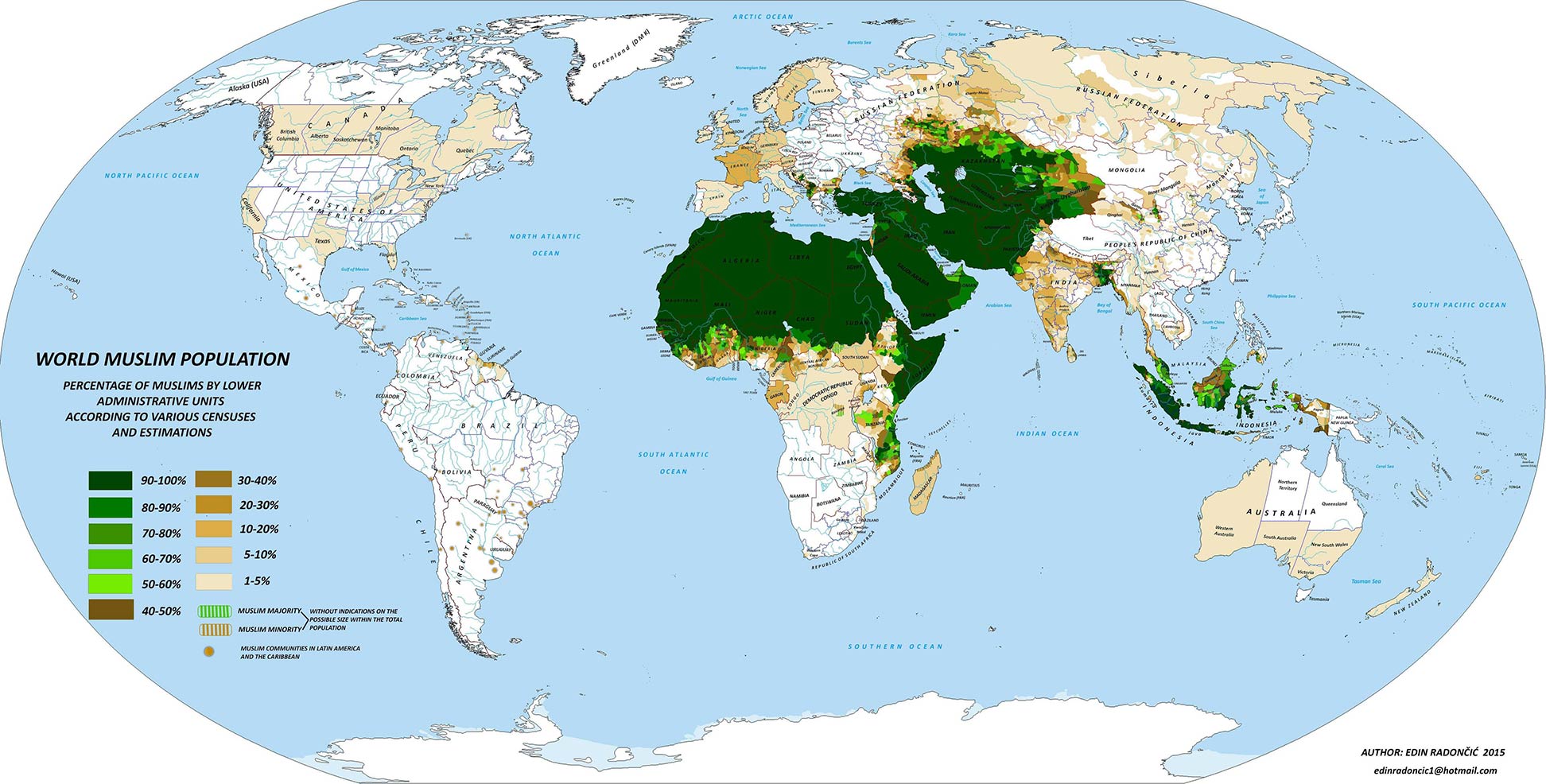
One of the most immediate advantages of marrying a Muslim from another country is the opportunity for cultural enrichment. Islam spans over 50 countries where Muslims form the majority, from the bustling streets of Indonesia to the historic mosques of Turkey, and from the deserts of Saudi Arabia to the vibrant markets of Morocco. Each of these nations has its own unique customs, traditions, and interpretations of Islamic practices, all while adhering to the core principles of the faith.
Imagine a spouse from Pakistan introducing you to the intricate art of mehndi during Eid celebrations, or a partner from Malaysia sharing recipes for nasi lemak infused with halal ingredients. These experiences go beyond mere novelty; they create a tapestry of shared memories that strengthen the marital bond. Couples often find themselves celebrating a fusion of festivals—perhaps combining the grandeur of an Egyptian iftar with the simplicity of a Bangladeshi one. This cultural blending not only keeps the relationship exciting but also teaches patience, adaptability, and respect for differences.
Research from various sociological studies highlights how intercultural marriages promote empathy and reduce prejudices. In a Muslim context, this means appreciating how the same Quran is recited with varying melodic styles across regions, or how prayer rituals might incorporate local customs without compromising sunnah. For instance, in West African countries like Senegal, the influence of Sufi traditions adds a layer of spiritual poetry and music to daily life, which could beautifully complement the more structured practices from the Arabian Peninsula.
Moreover, children born into such unions grow up with a multicultural identity, fluent in multiple traditions. They might learn to speak Arabic alongside Urdu or Turkish, preparing them to navigate a globalized world. This exposure fosters open-mindedness from a young age, making them ambassadors of unity within the ummah.
Broadening Perspectives and Personal Growth
Marrying across borders encourages personal growth by exposing individuals to diverse worldviews. In a marriage where partners hail from different Islamic countries, discussions about global issues—such as politics, economics, or social justice—become enriched with multifaceted insights. A spouse from Indonesia, the world's largest Muslim nation, might offer perspectives on democratic governance in a Muslim society, while one from Iran could share insights into resilience amid geopolitical challenges.
This exchange challenges preconceived notions and promotes intellectual stimulation. For example, debates on women's roles in society might draw from the progressive educational systems in countries like the United Arab Emirates versus the community-driven approaches in rural Afghanistan. Such conversations not only deepen mutual understanding but also align with Islamic teachings on seeking knowledge, as emphasized in the hadith: "Seek knowledge even if you have to go as far as China."
On a personal level, adapting to a partner's cultural norms builds resilience and emotional intelligence. Learning to navigate in-laws from a different country—perhaps through virtual family gatherings or visits—teaches diplomacy and strengthens family ties. Many couples report that these experiences lead to greater self-awareness, as they reflect on their own cultural biases and embrace a more inclusive identity.
Furthermore, this broadening of perspectives can enhance career opportunities. In an era where multinational companies value cultural competence, having a spouse from another country provides an insider's view into new markets. For Muslim professionals, this could mean easier relocation for work in places like Qatar or Malaysia, where shared faith eases integration.

Language Learning and Communication Skills
Language is a gateway to culture, and intercultural Muslim marriages often involve learning new tongues. With Arabic as the liturgical language of Islam, many couples already have a common foundation. However, adding languages like Persian, Swahili, or Indonesian to the mix can be immensely rewarding.
Partners motivate each other to learn, turning language acquisition into a romantic endeavor. Apps, classes, or immersion during visits to the spouse's homeland make the process enjoyable. This not only improves communication within the marriage but also allows for deeper engagement with Islamic texts in their original or regional contexts.
Children benefit enormously, often becoming bilingual or multilingual, which boosts cognitive development and future prospects. Studies from linguists show that multilingual individuals exhibit better problem-solving skills and cultural empathy—qualities that align with Islamic values of justice and compassion.
In practical terms, language skills facilitate stronger connections with extended family. Being able to converse in your spouse's native language during family calls or gatherings builds trust and affection, reducing potential misunderstandings.
Strengthening Faith Through Shared and Varied Practices
At the heart of any Muslim marriage is faith, and crossing national boundaries can invigorate one's spiritual life. Exposure to different madhabs (schools of thought) or regional interpretations encourages a more comprehensive understanding of Islam. For instance, a Hanafi from India marrying a Shafi'i from Yemen might explore nuances in fiqh, leading to informed choices that suit their family.
Joint religious practices, like performing umrah together or observing Ramadan with blended traditions, deepen devotion. Couples often find that discussing faith from diverse angles reaffirms core beliefs while dispelling myths. This shared journey can lead to stronger adherence to sunnah, as partners inspire each other through their unique expressions of piety.
In communities where Islam is practiced amid varying societal pressures, such marriages promote unity. They embody the Quranic verse: "O mankind, indeed We have created you from male and female and made you peoples and tribes that you may know one another" (49:13). By living this principle, couples contribute to the global ummah's cohesion.
Building Global Family Networks
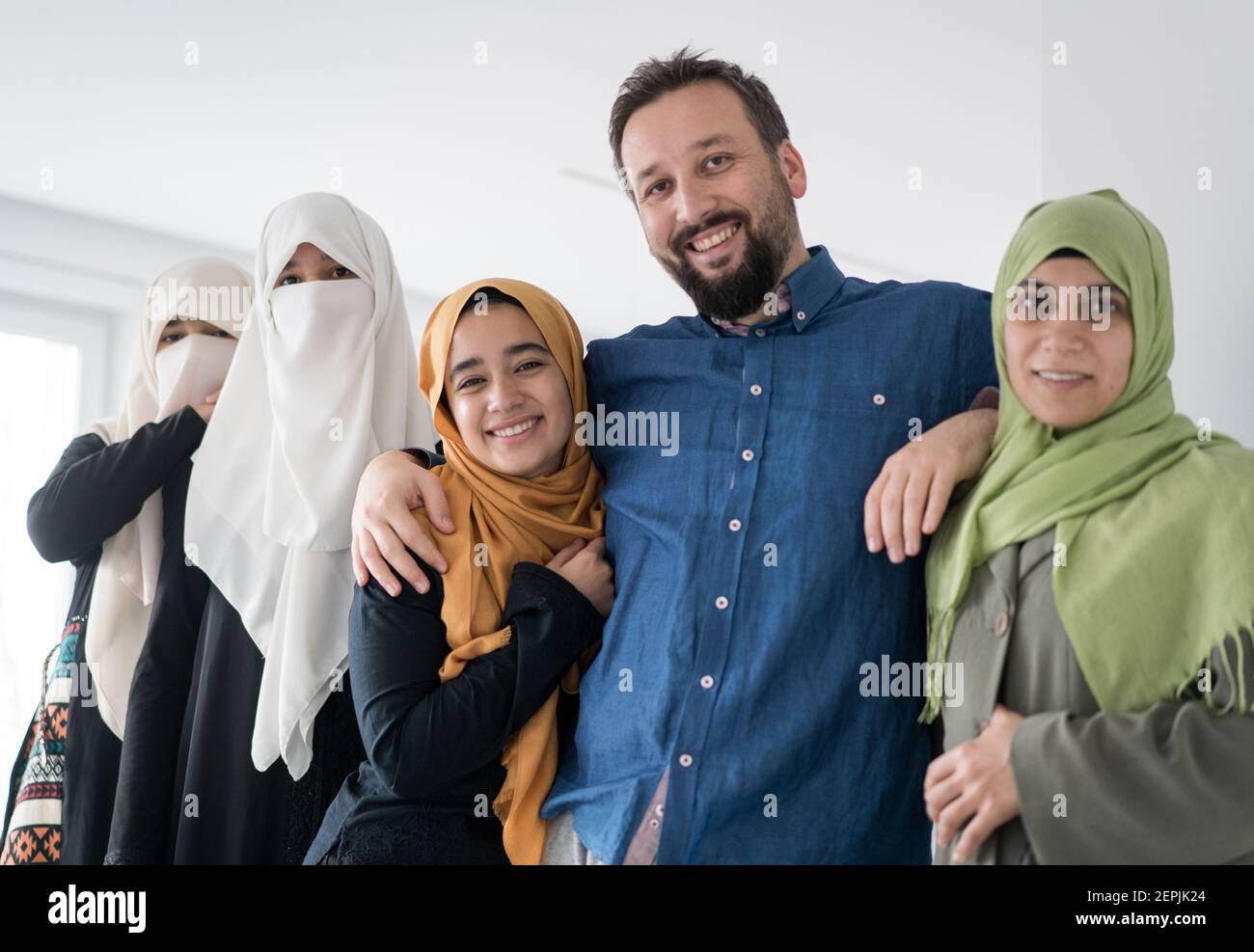
Intercultural marriages create expansive family networks that span continents. This global connection offers practical benefits, such as support during travels, business opportunities, or even emergency aid. Families often form bonds that transcend borders, with in-laws becoming resources for cultural exchange and mutual assistance.
For expatriates or those in diaspora communities, such unions provide a sense of belonging to multiple places. Holidays might involve rotating visits, enriching everyone's experiences. In times of crisis, like natural disasters or political unrest, having family in different countries can offer safe havens.
Emotionally, these networks provide diverse role models for children, showcasing successful Muslims from various backgrounds. This instills pride in their heritage and encourages ambition.
Overcoming Challenges for Greater Rewards
While the benefits are numerous, it's important to acknowledge potential challenges, such as visa issues, cultural clashes, or family resistance. However, with open communication, premarital counseling, and reliance on Islamic guidance, these can be navigated successfully. Many matrimonial sites now cater specifically to intercultural Muslim matches, offering tools for compatibility assessment.
Couples who overcome these hurdles often report higher satisfaction, as their relationship is built on deliberate choice and mutual effort. Support from online communities and scholars further eases the path.
In conclusion, expanding your search for a Muslim spouse to different Islamic countries opens doors to a richer, more fulfilling life. It aligns with Islam's emphasis on unity in diversity, fostering personal, cultural, and spiritual growth. As the world grows smaller, such marriages not only strengthen individual families but also weave a tighter fabric for the global Muslim community. Whether through shared cuisines, languages, or faith practices, the journey promises adventure and profound connection.