
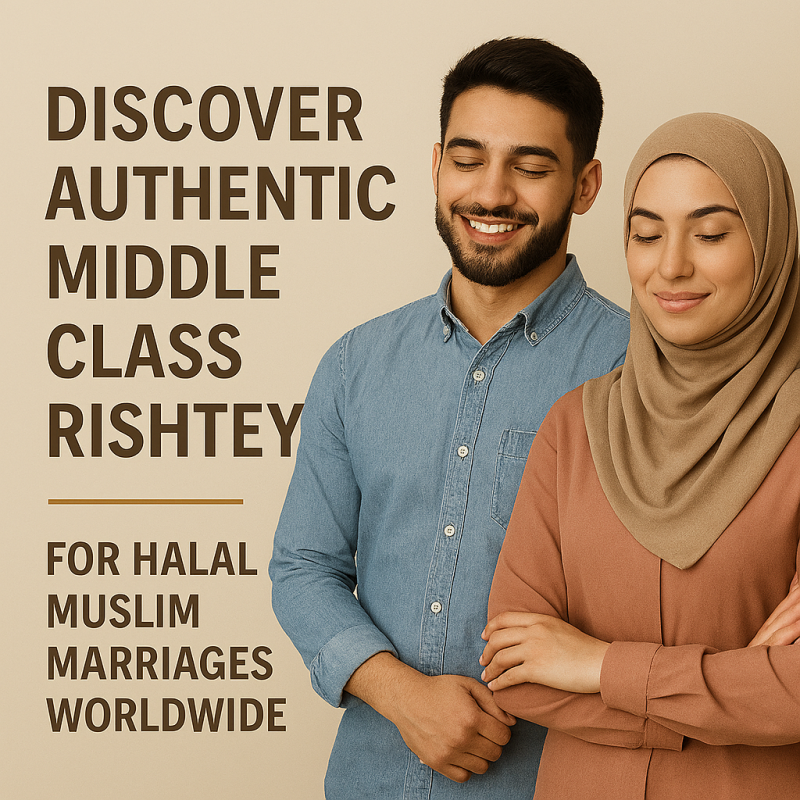
Discover Authentic Middle Class Rishtey for Halal Muslim Marriages Worldwide
In an increasingly connected world, the search for a life partner who shares your values, faith, and socioeconomic background has never been more accessible yet challenging.
For Muslims seeking halal marriages, the concept of "rishtey"—a term rooted in South Asian cultures but widely understood in Muslim communities globally—refers to marriage proposals or matches arranged through family, community networks, or modern platforms.
This article explores how to discover authentic middle-class rishtey for halal Muslim marriages worldwide, emphasizing the importance of compatibility, cultural sensitivity, and adherence to Islamic principles. Whether you're in Pakistan, the Middle East, Europe, or North America, finding a partner from a similar middle-class background can foster harmony and shared aspirations in married life.
Rishtey, often facilitated by elders or matrimonial services, prioritize not just romantic connection but also family integration, financial stability, and religious alignment. In halal marriages, every step—from initial introductions to the nikah ceremony—must comply with Sharia law, ensuring mutual consent, mahr (dowry), and witnesses. The focus on middle-class rishtey highlights partners from modest, educated, and hardworking families, avoiding extremes of wealth or poverty that might lead to imbalances. Worldwide, this approach resonates with diaspora communities where maintaining cultural identity amid globalization is key.
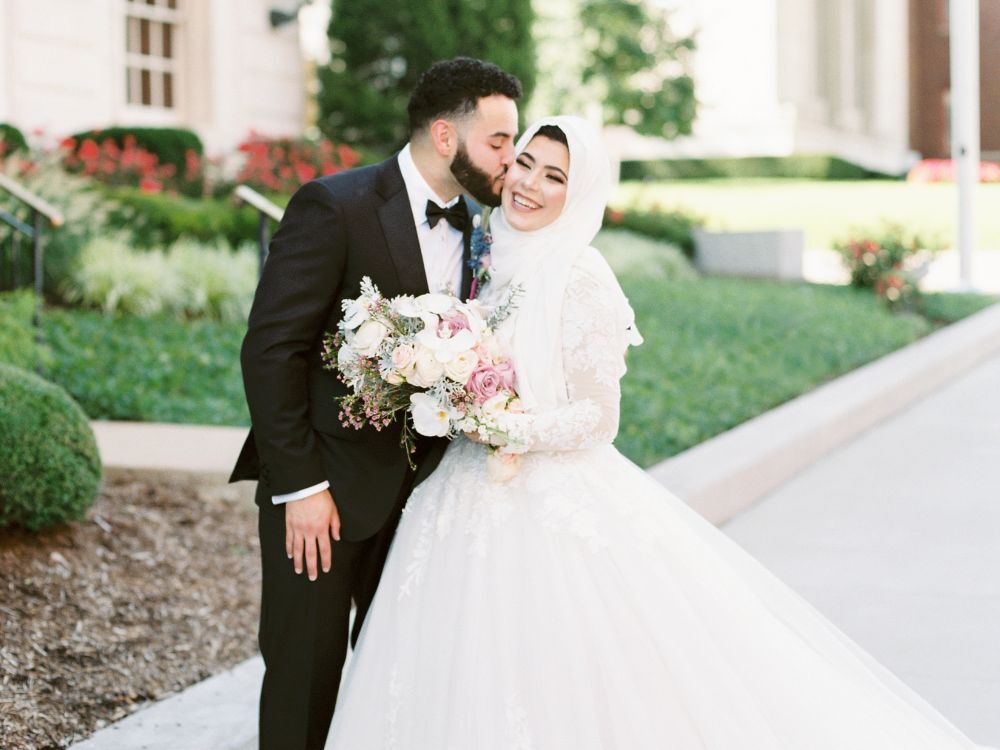
Understanding Rishtey in the Context of Halal Marriages
To fully appreciate authentic rishtey, it's essential to explain the foundational elements. "Rishtey" originates from Urdu and Hindi, meaning relationships or alliances, but in matrimonial contexts, it specifically denotes prospective marriage matches. In Muslim traditions, rishtey are pursued with the intention of forming a halal union—one that is permissible under Islam. Halal marriages emphasize purity, avoiding haram (forbidden) elements like dating without chaperones or coerced arrangements.
Historically, rishtey were arranged through word-of-mouth in local communities, but today, with migration and technology, they span continents. For middle-class families, this means seeking partners who value education, professional careers, and balanced lifestyles. A middle-class rishtey might involve a software engineer from Karachi matching with a teacher in Dubai, or a business owner in London connecting with a healthcare worker in Toronto. The authenticity comes from verifying backgrounds to ensure honesty about education, income, and family values, preventing mismatches that could lead to discord.
Islamic teachings from the Quran and Hadith underscore the importance of compatibility in marriage. Prophet Muhammad (PBUH) advised choosing spouses based on piety, character, beauty, and wealth, but piety being paramount. In middle-class contexts, this translates to partners who can support a household without extravagance, focusing on spiritual growth and community involvement. Worldwide platforms like Muslim matrimonial apps (e.g., Muzz, Pure Matrimony) facilitate this by allowing filters for socioeconomic status, ensuring rishtey align with users' realities.
The Importance of Middle-Class Focus in Rishtey
Why specify middle-class rishtey? In a globalized economy, class dynamics play a crucial role in marital success. Middle-class individuals often share similar life experiences—pursuing higher education, stable jobs, and homeownership—fostering mutual understanding. Authentic rishtey in this bracket avoid the pitfalls of inter-class marriages, such as differing expectations around lifestyle or finances.
For instance, in Pakistan and India, middle-class families prioritize rishtey where both parties have comparable incomes, around $500–$2,000 monthly in local currencies, allowing for joint financial planning. Worldwide, this extends to immigrant communities where economic pressures like student loans or housing costs demand pragmatic matches. Halal principles encourage equality; the Quran (4:35) speaks of arbitration in disputes, but preventing them through class compatibility is proactive.
Challenges include cultural stereotypes, where middle-class is sometimes equated with "average" rather than aspirational. Authentic rishtey counter this by emphasizing shared values like thriftiness, education for children, and community service. In the US or UK, Muslim middle-class rishtey might involve professionals in tech or medicine, blending Western individualism with Islamic collectivism.

Worldwide Opportunities for Halal Muslim Marriages
The beauty of modern rishtey lies in their global reach. With over 1.8 billion Muslims worldwide, opportunities abound beyond borders. In the Middle East, countries like the UAE and Saudi Arabia host expatriate communities where middle-class rishtey flourish through mosques and cultural events. In Europe, platforms connect Muslims from diverse backgrounds, ensuring halal practices amid secular societies.
For example, a middle-class Pakistani family in Karachi might find a rishtey in Australia via online portals, where shared Sunni or Shia affiliations and professional qualifications bridge distances. Halal marriages here incorporate virtual istikhara (prayer for guidance) and video calls for initial meetings, maintaining modesty.
In North America, authentic rishtey emphasize integration; a Canadian Muslim might seek a partner who understands balancing career ambitions with Ramadan observances. Worldwide trends show a rise in inter-ethnic marriages within Islam—Arabs with South Asians, Africans with Europeans—provided class alignment ensures stability.
Technology aids this: AI-driven apps verify profiles, reducing fraud. However, authenticity requires vigilance; always involve family elders and perform background checks. Islamic scholars recommend pre-marital counseling to discuss expectations, aligning with halal principles of transparency.
How to Find Authentic Middle-Class Rishtey
Finding genuine rishtey involves a blend of tradition and modernity. Start with trusted networks: mosques, community centers, and family referrals offer reliable middle-class options. Online, use halal-focused sites that require photo verification and income disclosure.
Steps to pursue:
- Define Criteria: List must-haves like education level, profession, and religious observance. For middle-class, focus on stable earners without debt burdens.
- Use Platforms: Apps like SingleMuslim or Zawaj provide worldwide searches with filters for class and location.
- Involve Guardians: In halal marriages, walis (guardians) ensure consent and compatibility.
- Cultural Sensitivity: Respect differences; a rishtey between a Turkish and Indonesian Muslim might require learning each other's customs.
- Verify Authenticity: Check references, social media, and even credit reports discreetly.
Success stories abound: A middle-class engineer from Egypt found his rishtey in Malaysia through a matrimonial event, leading to a harmonious marriage. Worldwide, such unions strengthen the ummah (global Muslim community).
Challenges and Solutions in Global Rishtey Search
Despite opportunities, challenges persist. Cultural mismatches can arise; a middle-class family from conservative backgrounds might clash with progressive diaspora views. Solutions include open dialogues during courtship phases, always chaperoned for halal compliance.
Visa and relocation issues for worldwide rishtey require planning. Financial authenticity is key—avoid rishtey promising wealth without proof. Islamic ethics demand honesty; deceit nullifies halal intent.
Community support helps: Join forums like Reddit's r/MuslimMarriage for advice. Professional matchmakers specializing in middle-class rishtey offer personalized services, ensuring compatibility.
Tips for a Successful Halal Marriage Through Rishtey
To make your rishtey journey fruitful:
- Prioritize Taqwa (God-consciousness) in partner selection.
- Engage in pre-nikah education on rights and duties.
- Balance love with practicality; middle-class rishtey thrive on shared goals like home-building.
- Celebrate diversity; worldwide matches enrich cultural understanding.
In conclusion, discovering authentic middle-class rishtey for halal Muslim marriages worldwide is a journey of faith, patience, and wisdom. By adhering to Islamic principles and leveraging global connections, you can find a partner who complements your life spiritually and practically. Embrace this process with an open heart, and may Allah bless your union.