
Finding a Muslim Spouse in the UK, USA & Canada | Halal Marriage Guide
Finding a compatible Muslim spouse in Western countries such as the United Kingdom, United States, and Canada can be both rewarding and challenging. With growing Muslim populations—approximately 4 million in the UK (6% of the population as of recent census data), over 3-4 million in the USA, and nearly 1.8 million in Canada (4.9% of the population)—opportunities exist, but cultural shifts, secular influences, and smaller local communities often complicate the process.
Many young Muslims in the West seek partners who share their faith, values, and commitment to halal marriage, yet face obstacles like limited family networks, intercultural differences, and the pressure to balance Islamic principles with modern lifestyles. This article explores these challenges and provides practical, halal-oriented strategies to help navigate the journey toward a blessed union.

Challenges Faced by Muslims Seeking Marriage in the West
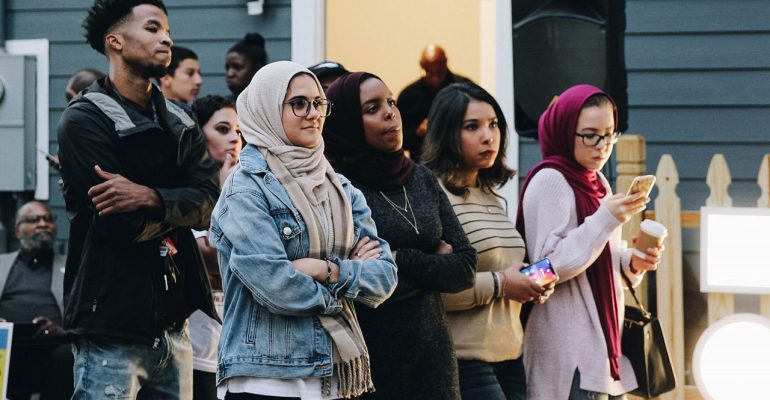
Muslims in the UK, USA, and Canada often encounter unique hurdles in their search for a spouse. Traditional arranged marriages through family networks are less common among second-generation immigrants and converts, leading to a reliance on personal initiative.
Cultural clashes arise frequently: expectations from parents rooted in home-country traditions (e.g., same ethnicity or sect) can conflict with the diverse realities of Western life. Intercultural marriages, while increasingly accepted, still face resistance due to biases around language, food, or family dynamics. Reverts (converts to Islam) may feel isolated, as some communities prioritize "born Muslims."
Secular dating culture dominates the West, making halal alternatives scarce. Casual relationships contradict Islamic teachings on premarital interactions, yet limited mosque-based events or segregated social spaces hinder natural meetings. Economic pressures, such as high living costs delaying financial stability (a key factor for many men feeling ready to provide), further postpone marriage.
Statistics highlight the "marriage crisis": Many young Muslims report prolonged singlehood, with apps and events becoming primary tools. In the UK, Muslims show high endogamy rates but also import spouses from abroad due to limited local options. Similar patterns exist in North America, where urban concentration (e.g., Toronto, New York, London) helps but rural areas pose greater difficulties.


Halal Methods to Find a Spouse
Islam encourages proactive, modest approaches to marriage. Start with sincere dua (supplication) and istikhara (guidance prayer) for Allah's help in finding a pious partner.
Community and Mosque Involvement: Attend local mosques, Islamic centers, and events. In the UK, organizations like Find Your Spouse host halal speed-dating and socials. In the USA and Canada, imams often facilitate introductions—ask respectfully for referrals.
Family and Network Referrals: Involve parents or trusted relatives. Many successful marriages stem from "auntie networks" or friend introductions, blending tradition with Western independence.
Matrimonial Events: Look for singles mixers, conferences, or retreats organized by groups like ICNA (USA/Canada) or Muslim Council of Britain affiliates.
Online Halal Platforms: Modern tools bridge gaps without compromising principles.
Popular apps and sites include:
- Muzz (formerly Muzmatch): Largest for serious marriage-minded Muslims, with features like chaperones and blurred photos.
- Salams (formerly Minder): Swipe-based but focused on marriage, popular in North America.
- SingleMuslim.com: Strong in the UK, with millions of users.
- Pure Matrimony and Helahel: Emphasize practicing Muslims and halal processes.
- Others: Nikahnamah, Mawaddah Matrimony, and country-specific like Muslim Matrimonial Canada.
These platforms allow filtering by religiosity, ethnicity, and location, connecting diaspora Muslims across the West.
During interactions, maintain boundaries: Involve a mahram (guardian), use public/chaperoned meetings, and focus on compatibility in deen (faith), character, and goals.


Tips for Success
- Prioritize Deen Over Culture: Seek piety and compatibility first, as advised by the Prophet (PBUH): Look for religion, character, and mutual respect.
- Be Clear About Intentions: State marriage goals early to avoid time-wasting.
- Involve Families Early: This builds trust and aligns expectations.
- Self-Improvement: Work on your faith, career, and emotional maturity to attract a suitable partner.
- Patience and Trust in Allah: Rejections happen; view them as protection.
- Seek Counseling: Imams or professionals can guide intercultural issues.
In urban hubs like London, Toronto, or New York, leverage large communities. For smaller areas, apps expand options internationally while staying halal.
Conclusion
Finding a Muslim spouse in the West requires balancing Islamic values with contemporary realities. Despite challenges, tools like apps, events, and community support make halal marriage achievable. Thousands succeed yearly, proving that with sincerity, effort, and tawakkul (reliance on Allah), a fulfilling partnership is possible.