
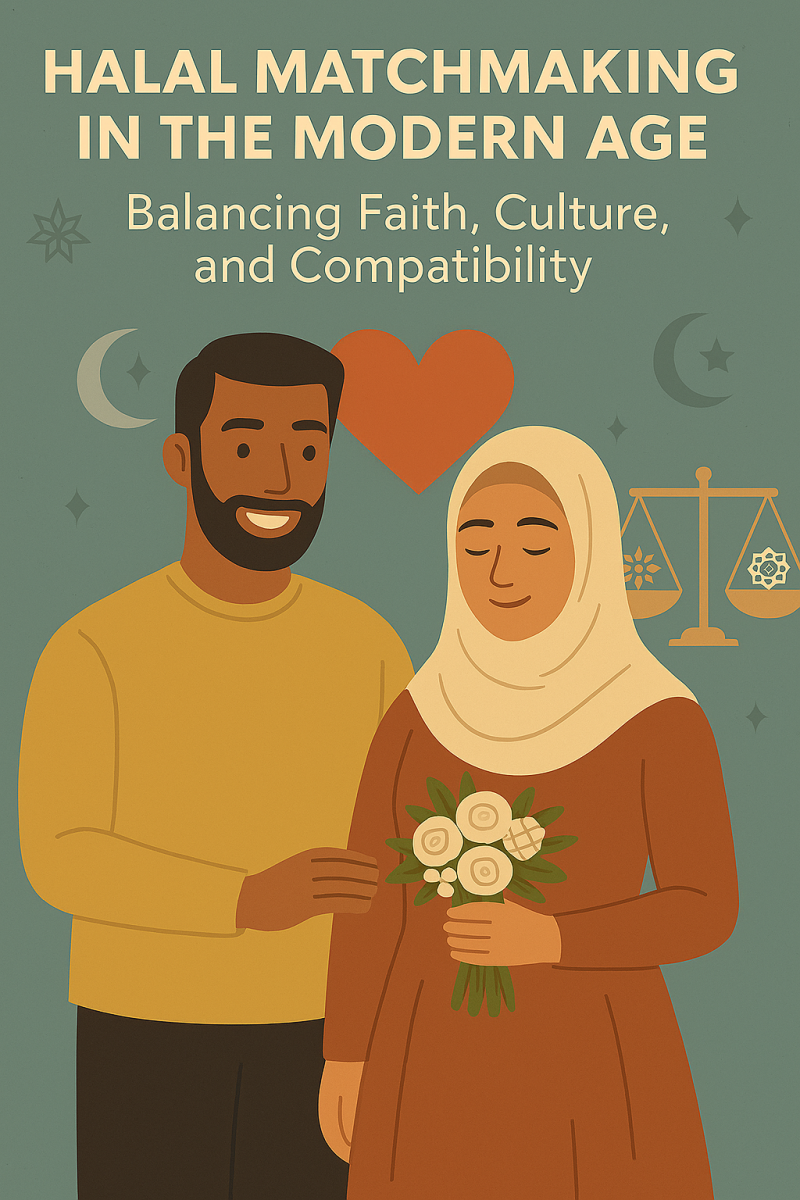
Halal Matchmaking in the Modern Age: Balancing Faith, Culture, and Compatibility
In 2025, finding a spouse as a Muslim no longer means waiting for your auntie’s friend-of-a-friend to set up an awkward living-room meeting (though that still happens, and sometimes it works beautifully). Today’s generation is blending Islamic etiquette with 21st-century tools, creating a vibrant, faith-centered ecosystem of halal matchmaking that is more intentional, transparent, and global than ever before.
The Rise of Purpose-Built Platforms
Apps like Muzmatch (now Muzz), Salams, Half Our Deen, SingleMuslim, and newer entrants such as Hawaya and Qiran have collectively facilitated over 1.5 million marriages worldwide. What sets them apart from secular dating apps is the built-in adherence to Islamic boundaries:
- Mandatory wali (guardian) involvement options
- Photo blurring until mutual interest is confirmed
- Time-stamped chats that discourage endless texting without intent
- In-app nikah contract templates and imam referrals
Muzz’s 2025 report revealed that 68% of its successful couples had their first in-person meeting within three weeks of matching (a stark contrast to mainstream apps where “talking stages” can drag on for months or years).
Beyond the Apps: The Return of Community
While technology dominates headlines, the most successful matches are increasingly happening offline—or at least with strong offline components.
Mosques and Islamic centers now host regular “matrimonial mixers” with segregated meet-and-greet spaces, speed-introduction sessions, and mandatory parent corners. Cities like London, Toronto, Dearborn, and Jakarta have seen attendance triple since 2022.
Large-scale events such as the Global Muslim Marriage Expo (held annually in Kuala Lumpur and London) and the American Muslim Matrimonial Convention attract thousands of singles and their families. These weekends combine lectures on marital rights in Islam with structured one-on-one introductions overseen by trained facilitators.
The Cultural Tightrope
For second- and third-generation Muslims, the biggest challenge is often not faith itself, but culture masquerading as religion. Parents may insist on marrying within the same ethnicity, village, or caste—a preference that has no basis in the Qur’an or Sunnah but remains emotionally powerful.
Young Muslims are pushing back gently but firmly. Many are using the Prophet’s ﷺ own example—he married across tribal and social lines—as a loving reminder that compatibility in deen (faith) and character matters more than matching passports or biryani recipes.
Compatibility Over Chemistry
The halal model flips the secular dating script. Instead of “dating to see if we’re compatible,” the mindset is “we assess compatibility quickly and seriously to decide if marriage is viable.”
Popular frameworks include:
- The “Five Before the Ring” checklist: deen, character, attraction, life vision, and family compatibility
- Pre-marital courses (e.g., Prepare-Enrich Islamic edition, or Tayyib Academy’s marriage prep bootcamp)
- Structured first meetings with clear agendas: discussing finances, children, living arrangements, and religious practice within the first two or three meetings
This intentional approach has led to remarkably low divorce rates among couples who meet through reputable Islamic platforms—some studies show rates as low as 8–12 % compared to broader Muslim community averages of 25–35 %.
The Future Is Collaborative
The most exciting trend of 2025 is collaboration between technology, community, and scholarship. Scholars now serve as advisors to matchmaking apps, mosques partner with platforms for verified profiles, and young Muslims are creating local “marriage circles”—small, trusted groups that vet and introduce potential matches.
Halal matchmaking today is neither the rigid arranged marriages of past generations nor the boundary-free swiping of mainstream culture. It is something new: a confident, faith-guided middle path where modesty and intention remain non-negotiable, but agency, compatibility, and emotional intelligence are celebrated.
For Muslims seeking marriage in the modern age, the message is clear: you don’t have to choose between your deen and your happiness. With the right tools, community support, and sincere dua, both can beautifully coexist.