
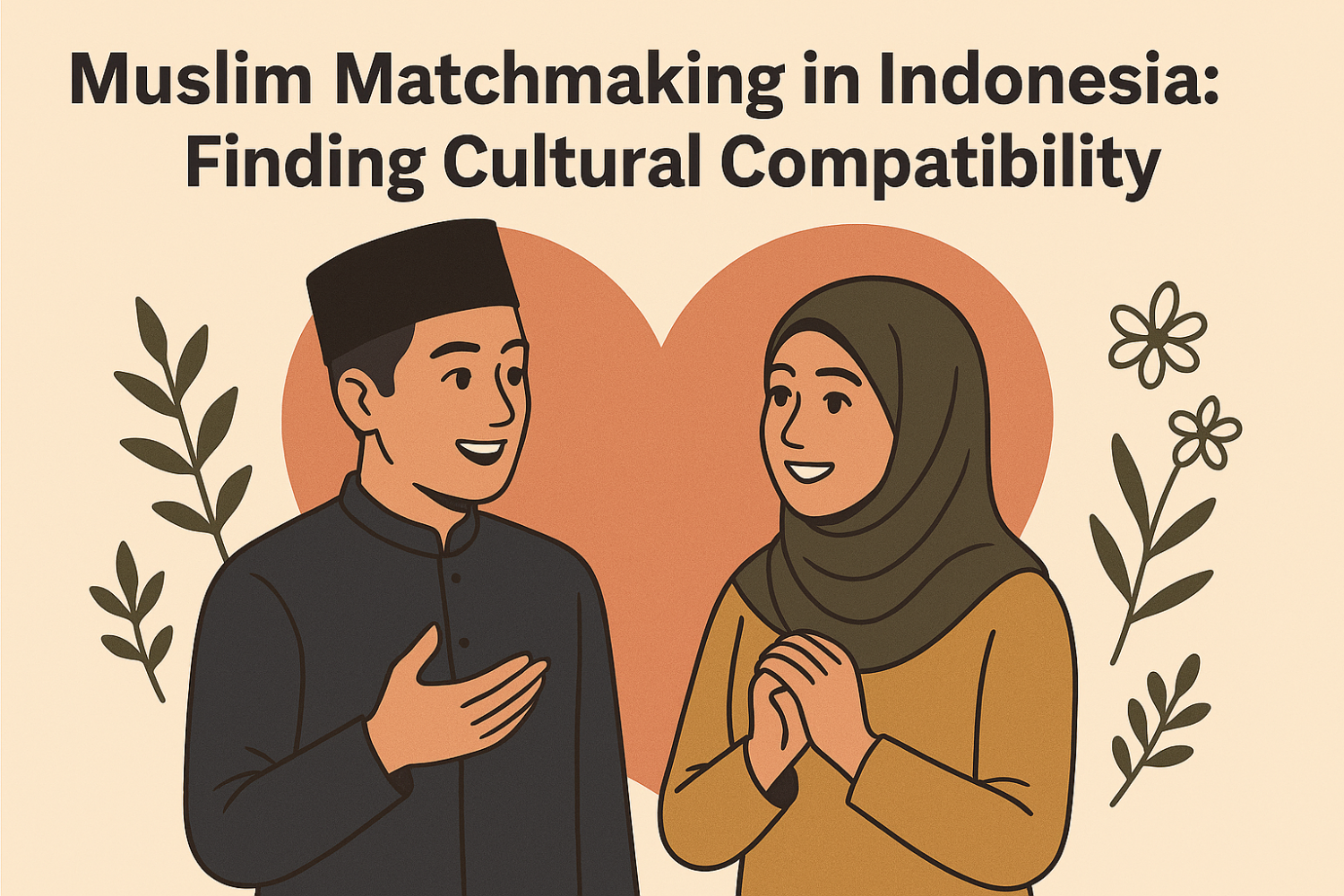
Muslim Matchmaking in Indonesia: Finding Cultural Compatibility
Introduction to Muslim Matchmaking in Indonesia
Indonesia, the world's largest Muslim-majority country, is a vibrant tapestry of cultures, languages, and traditions. With over 270 million people and more than 300 ethnic groups, finding a compatible partner for marriage involves navigating a rich blend of Islamic values and local customs. Muslim matchmaking in Indonesia is not just about finding love; it’s about aligning faith, family expectations, and cultural compatibility to build a harmonious and lasting relationship.
In this article, we’ll explore the nuances of Muslim matchmaking in Indonesia, focusing on how cultural compatibility plays a pivotal role in creating meaningful connections. From traditional practices to modern online platforms, we’ll uncover the key elements that make matchmaking successful in this diverse nation.
The Role of Cultural Compatibility in Muslim Marriages
Cultural compatibility is a cornerstone of successful Muslim marriages in Indonesia. While shared faith provides a strong foundation, cultural alignment ensures that couples can navigate daily life, family dynamics, and societal expectations with ease. In Indonesia, cultural compatibility often involves understanding regional traditions, family values, and social norms that vary across provinces like Java, Sumatra, or Sulawesi.
For example, Javanese couples may prioritize kehalusan (refinement and politeness) in their interactions, while Minangkabau families from West Sumatra may value matrilineal traditions, where family lineage and property pass through the mother’s side. These cultural nuances influence everything from wedding ceremonies to daily household roles, making compatibility essential for a harmonious marriage.
Traditional Muslim Matchmaking Practices in Indonesia
Traditional matchmaking in Indonesia often involves family and community participation, rooted in Islamic principles and local customs. Here are some key practices:
1. Ta’aruf: Islamic Courtship
Ta’aruf is a structured, Islamic approach to matchmaking that emphasizes modesty and intentionality. Couples are introduced through trusted intermediaries, such as family members or religious leaders, and engage in supervised meetings to assess compatibility. This process ensures that both parties align in faith, values, and life goals while respecting Islamic boundaries.
2. Family Involvement
In Indonesia, marriage is often seen as a union of two families, not just two individuals. Parents and extended family members play a significant role in matchmaking, offering guidance and ensuring cultural and religious compatibility. For instance, families may consider factors like ethnicity, social status, and regional traditions when approving a match.
3. Cultural Ceremonies
Wedding traditions vary across Indonesia’s regions, reflecting cultural diversity. For example:
Javanese Weddings: Feature elaborate rituals like siraman (a cleansing ceremony) and midodareni (a night of reflection before the wedding).
Minangkabau Weddings: Emphasize matrilineal customs, with the groom integrating into the bride’s family.
Acehnese Weddings: Include meulangku (a pre-wedding feast) and traditional dances to celebrate the union.
These ceremonies highlight the importance of cultural compatibility, as couples and families must agree on how to honor these traditions.
Modern Muslim Matchmaking: Blending Tradition and Technology
While traditional practices remain popular, modern Muslim matchmaking in Indonesia has embraced technology. Online marriage platforms and apps tailored to Muslims have gained traction, offering a convenient way to find culturally compatible partners. These platforms allow users to filter matches based on religious observance, ethnicity, and cultural preferences, ensuring alignment with both Islamic values and local traditions.
For example, apps like Muzz or Salams enable Indonesian Muslims to connect with potential partners while adhering to Islamic principles like modesty and halal communication. These platforms often include features like family involvement options, where parents can review profiles, bridging the gap between tradition and modernity.
Tips for Finding a Culturally Compatible Partner in Indonesia
Finding a culturally compatible partner requires intentionality and understanding. Here are some practical tips for Muslim singles in Indonesia:
Define Your Cultural Priorities: Reflect on the cultural values that matter most to you, such as language, regional traditions, or family roles. For example, if you’re from a Batak family, you may value a partner who respects clan-based traditions.
Communicate Openly: Discuss cultural expectations early in the matchmaking process. Be clear about your preferences for wedding ceremonies, family involvement, and lifestyle.
Seek Family Input: Involve your family to ensure their values align with your potential partner’s. This is especially important in Indonesia, where family approval is often crucial.
Use Trusted Platforms: Opt for reputable Muslim matchmaking platforms that prioritize privacy and Islamic values. Ensure the platform allows you to filter for cultural compatibility.
Respect Regional Diversity: Indonesia’s diversity means that cultural practices vary widely. Be open to learning about your partner’s traditions, whether they’re from Java, Bali, or Papua.
Challenges in Muslim Matchmaking in Indonesia
Despite the emphasis on cultural compatibility, Muslim matchmaking in Indonesia faces challenges:
Urban vs. Rural Divide: Urban Indonesians may prioritize education and career compatibility, while rural families may focus on traditional roles and community ties.
Interethnic Marriages: Marriages between different ethnic groups, such as Javanese and Sundanese, can face resistance due to differing customs.
Balancing Modernity and Tradition: Younger generations may prefer modern dating approaches, while families may insist on traditional matchmaking processes.
Overcoming these challenges requires open communication, mutual respect, and a willingness to compromise while staying true to Islamic principles.
The Future of Muslim Matchmaking in Indonesia
As Indonesia continues to modernize, Muslim matchmaking is evolving to balance tradition and innovation. Online platforms are making it easier for singles to find culturally compatible partners, while cultural festivals and community events provide opportunities for face-to-face connections. The rise of interethnic marriages also reflects a growing acceptance of diversity, provided couples share core Islamic values.
In the future, we can expect matchmaking to become even more personalized, with AI-driven platforms offering tailored matches based on cultural, religious, and personal preferences. However, the core principles of faith, family, and cultural compatibility will remain at the heart of Muslim marriages in Indonesia.
Conclusion
Muslim matchmaking in Indonesia is a beautiful blend of faith, culture, and community. By prioritizing cultural compatibility, singles can build strong, lasting marriages that honor both Islamic values and Indonesia’s rich diversity. Whether through traditional ta’aruf or modern online platforms, the journey to finding a compatible partner is about aligning hearts, minds, and traditions. For those seeking love in Indonesia, understanding and embracing cultural nuances is the key to a fulfilling and harmonious marriage.
Call to Action: Ready to find your culturally compatible partner? Join our trusted Muslim matchmaking platform today and start your journey toward a meaningful, faith-based marriage.