
Rediscovering Happiness: A Supportive Path to Divorced Muslim Remarriage
In the tapestry of life, divorce can feel like a thread unraveling, leaving one adrift in a sea of uncertainty. For many Muslims, the end of a marriage brings not just emotional turmoil but also questions about faith, community, and future prospects. Yet, Islam, with its profound wisdom, views divorce not as an endpoint but as a doorway to new beginnings. This article, "Rediscovering Happiness: A Supportive Path to Divorced Muslim Remarriage," delves into the Islamic framework that encourages healing and remarriage, offering a beacon of hope for those navigating this challenging phase. Whether you're a divorced Muslim woman or man seeking guidance on remarriage after divorce in Islam, this piece aims to provide empathetic, practical advice rooted in Quranic teachings and Sunnah.
Divorce in Islam is permissible when a marriage becomes untenable, as outlined in Surah Al-Baqarah (2:229-230), which emphasizes fairness and kindness even in separation. However, the religion strongly advocates for marriage as a means to achieve tranquility and companionship, as stated in Surah Ar-Rum (30:21): "And among His signs is that He created for you mates from among yourselves, that you may dwell in tranquility with them, and He has put love and mercy between your hearts." For divorced Muslims, remarriage isn't just an option—it's a supported path to rediscovering happiness. Statistics from various Muslim communities show that many successfully remarry, finding deeper fulfillment in subsequent unions. This guide will explore emotional recovery, Islamic rulings on remarriage, practical steps, and the role of community, all while optimizing for those searching terms like "remarriage after divorce in Islam" or "divorced Muslim seeking marriage."

Understanding Islamic Perspectives on Divorce and Remarriage
To embark on the journey of remarriage, it's essential to ground oneself in Islamic teachings. Divorce, or Talaq, is allowed but described by the Prophet Muhammad (peace be upon him) as the most disliked permissible act in the sight of Allah. This underscores the gravity of the decision while affirming that it's not a sin if done justly. For women, the Iddah period—a waiting time of three menstrual cycles or three months—serves as a reflective phase to confirm no pregnancy and allow emotional processing before considering remarriage.
Remarriage in Islam is encouraged without stigma. Unlike some cultural misconceptions that label divorced individuals as "damaged," the Quran promotes equality in seeking new partners. Surah An-Nisa (4:35) highlights arbitration in marital disputes, but if dissolution occurs, both parties are free to remarry. Notably, a divorced woman can remarry her ex-husband after the Iddah, provided it's a new contract, as per Surah Al-Baqarah (2:232). For those exploring "Islamic rules for remarriage after divorce," it's clear that faith supports second chances.
Cultural barriers often complicate this, especially in conservative communities where divorced Muslim women face scrutiny. However, progressive interpretations and scholars like Sheikh Yusuf Al-Qaradawi emphasize that remarriage aligns with Islamic values of mercy and justice. Online platforms and matrimonial sites tailored for Muslims, such as those focusing on "divorced Muslim remarriage," are bridging gaps, allowing individuals to connect based on shared faith and experiences.
Emotional scars from divorce can hinder this process. Feelings of failure, betrayal, or loss of identity are common, but Islam offers solace through Dhikr (remembrance of Allah) and prayer. Seeking counseling from Islamic therapists who specialize in "post-divorce healing in Islam" can be transformative. Remember, the Prophet's companions, including notable figures like Zaynab bint Jahsh, remarried after divorce, setting precedents for resilience.
Emotional Healing: The Foundation for New Beginnings
Healing after divorce is paramount before pursuing remarriage. For divorced Muslims, this involves a holistic approach encompassing spiritual, psychological, and social dimensions. Start with self-reflection: Journaling thoughts aligned with Quranic verses on patience, like Surah Al-Inshirah (94:5-6), "Verily, with hardship comes ease," can foster inner peace.
Professional help is invaluable. Therapists versed in Islamic psychology address issues like low self-esteem or trust barriers, common in "divorced Muslim women seeking marriage." Group therapy sessions in mosques or online forums provide solidarity, reminding participants they're not alone. Physical well-being matters too—regular exercise, healthy eating, and hobbies rebuild confidence.
Forgiveness is a key Islamic tenet. Holding grudges impedes happiness, so practicing Tawbah (repentance) and letting go paves the way for new love. Many find solace in stories of the Prophet's wives, some of whom were widows or divorcees, illustrating that past experiences don't define future joy.
Building a support network is crucial. Family and friends can offer encouragement, but if they're judgmental, seek like-minded communities. Apps and websites for "Muslim singles after divorce" facilitate connections, emphasizing compatibility over past status.
As you heal, redefine happiness. It's not just about remarriage but personal growth. Engage in volunteer work or Islamic studies to rediscover purpose. This emotional groundwork ensures that when you embark on "remarriage for divorced Muslims," it's from a place of strength, not desperation.
Practical Steps Toward Remarriage
Once healed, take actionable steps toward remarriage. Begin with intention: Make Dua for a righteous spouse, as the Prophet advised. Define your criteria—shared values, Deen (faith), and character over superficial traits.
Utilize matrimonial resources. Sites like SingleMuslim or HalfOurDeen cater to divorced individuals, allowing profiles that highlight growth from past experiences. Attend Islamic events, such as conferences or Halal speed-dating, to meet potential partners organically.
Involve a Wali (guardian) for women, ensuring safety and Islamic compliance. Pre-marital counseling is recommended to discuss expectations, finances, and children from previous marriages. For those with kids, prioritize partners who embrace blended families, as Islam values protecting orphans and stepchildren.
Legal aspects matter: Ensure previous divorce is finalized per Shariah and civil law. In countries with Muslim family laws, understand rights to Mahr (dowry) and custody, which can influence remarriage decisions.
Patience is key. Rushing can lead to mismatches, so trust Allah's timing. Success stories abound—many divorced Muslims report stronger second marriages due to learned wisdom.
The Role of Community and Family Support
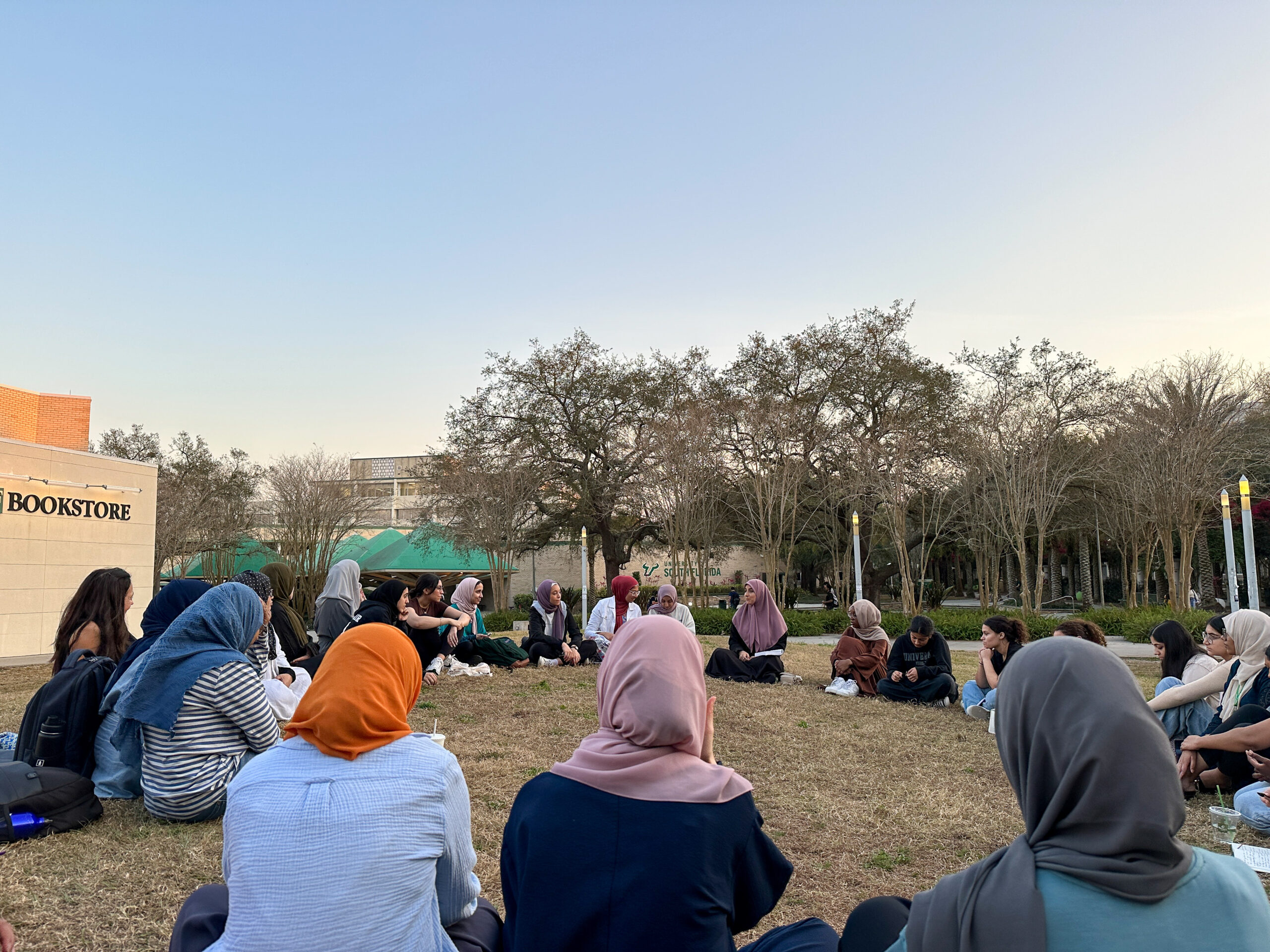
Community plays a pivotal role in supporting divorced Muslims toward remarriage. Mosques and Islamic centers often host support groups, reducing isolation. Initiatives like "Muslim divorce support networks" offer workshops on healing and matchmaking.
Family can be a double-edged sword. While some provide unwavering support, others perpetuate stigma. Educate them with Islamic references to foster understanding. Broader society is evolving; campaigns against divorce shaming in Muslim communities promote empathy.
Online spaces, like Reddit's r/MuslimMarriage or Facebook groups, share experiences and advice. These platforms optimize for searches like "support for divorced Muslims remarrying," connecting global users.
Ultimately, community reinforcement affirms that remarriage is a celebrated step toward happiness.
Conclusion: Embracing a Brighter Future
Rediscovering happiness after divorce is a journey of faith, resilience, and hope. Islam's supportive framework for remarriage reminds us that every ending births new possibilities. By healing emotionally, following practical steps, and leaning on community, divorced Muslims can find profound joy in companionship once more.
Whether you're searching for "Islamic guidance on remarriage" or personal stories of triumph, remember: Allah's mercy is vast. Step forward with optimism—your path to happiness awaits.