
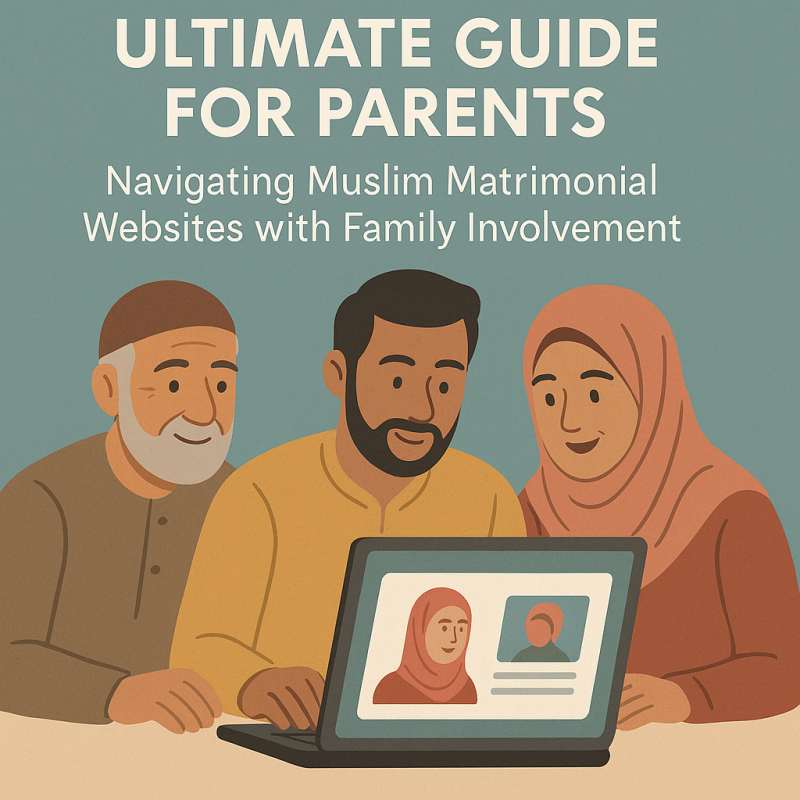
Ultimate Guide for Parents: Navigating Muslim Matrimonial Websites with Family Involvement
In today's digital age, finding a life partner has evolved significantly, especially within the Muslim community where family involvement remains a cornerstone of the marriage process. For parents seeking suitable matches for their children, matrimonial websites tailored for Muslims offer a convenient and efficient platform. These sites blend modern technology with traditional Islamic values, allowing families to connect with potential spouses while upholding religious and cultural norms. This guide is designed specifically for parents, providing step-by-step advice on using these platforms effectively. Whether you're new to online matchmaking or looking to refine your approach, understanding the nuances can lead to meaningful connections that honor your faith and family dynamics.
Understanding the Role of Matrimonial Websites in Muslim Marriages
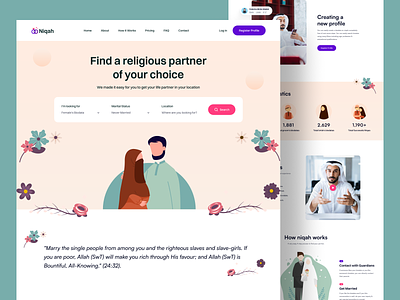
Muslim matrimonial websites have gained popularity because they cater specifically to the needs of the Ummah. Unlike general dating apps, these platforms emphasize marriage as a sacred union, often incorporating features like compatibility based on faith, sect (e.g., Sunni, Shia), and cultural background. Sites such as Shaadi.com's Muslim section, MuslimMatrimony.com, and HalfOurDeen.com prioritize privacy, verification, and family-oriented profiles.
For parents, these websites shift the focus from casual dating to serious commitments. According to recent studies, over 60% of Muslim marriages in urban areas now involve some form of online introduction, with family approval being key. The beauty lies in the ability to search globally while filtering for local preferences, ensuring matches align with Islamic principles like compatibility in deen (faith) and character.

Parents often initiate the process by creating profiles for their adult children, detailing education, profession, and religious observance. This family-centric approach mirrors traditional rishta (proposal) systems but expands the pool beyond local networks. However, success depends on active parental guidance to navigate cultural sensitivities and avoid pitfalls.
Choosing the Right Muslim Matrimonial Website
Selecting the appropriate platform is crucial. Start by researching sites that verify user identities through documents or phone checks to minimize fraud. Look for those with strong privacy settings, allowing profiles to be visible only to approved members. Popular options include:
- Muslima.com: Part of the Cupid Media network, it boasts millions of users worldwide and focuses on serious relationships.
- SingleMuslim.com: UK-based but global, with features for family involvement like shared account access.
- PureMatrimony.com: Emphasizes halal practices, with no photos visible until mutual interest.
Evaluate user reviews on trustworthiness and success rates. Check if the site offers matchmaking based on Islamic criteria, such as prayer habits or hijab preferences. Free trials or basic memberships allow testing before committing to premium features like unlimited messaging.
SEO tip: When searching for "best Muslim matrimonial sites for parents," prioritize those with high ratings on Trustpilot or similar platforms. Avoid sites that promote non-Islamic elements like casual chats without chaperones.
Creating an Effective Profile for Your Child
A well-crafted profile is your child's digital introduction. As a parent, highlight qualities that reflect Islamic values: piety, kindness, and family-oriented traits. Include details on education, career, and hobbies, but keep it concise—aim for 300-500 words.
Upload modest photos, perhaps family group shots, to maintain modesty. Describe expectations clearly, such as seeking a partner who values Quran and Sunnah. Use keywords like "practicing Muslim," "family values," and "halal marriage" to optimize for site searches.
Involve your child in the process to ensure authenticity. Profiles that show genuine personality attract better matches. Remember, transparency about deal-breakers (e.g., polygamy views or relocation willingness) prevents future conflicts.
Safety and Privacy Considerations
Safety is paramount when using online platforms. Teach your family to spot red flags: inconsistent information, pressure for quick meetings, or requests for money. Use the site's built-in messaging before sharing personal contacts.
Encourage virtual chaperoning—parents can oversee initial communications. Verify matches through mutual connections or background checks via services like BeenVerified (adapted for international use). Islamic teachings stress caution; as per Hadith, "Tie your camel first, then trust in Allah."
Report suspicious profiles immediately. Premium sites often have dedicated support for such issues. Discuss online etiquette with your child: maintain adab (manners) and avoid sharing sensitive details early.
Communication Guidelines for Families
Once a match is found, communication should be purposeful and supervised. Start with text-based chats focusing on shared values, future goals, and religious compatibility. Avoid flirtatious language; keep it respectful.
Involve elders early—perhaps via video calls with family present. This aligns with Islamic norms where wali (guardian) approval is essential. Questions to ask: "How do you practice Islam daily?" or "What role does family play in your life?"
Set boundaries: limit conversations to marriage-related topics. If progressing, arrange in-person meetings in public with chaperones. Patience is key; rushed decisions can lead to mismatches.
Involving the Entire Family in the Process
Family involvement distinguishes Muslim matrimonials from Western dating. Parents act as facilitators, consulting siblings and relatives for input. This collective approach ensures the match benefits the broader family unit.
Host family discussions to review profiles together. Consider astrological or numerological compatibility if culturally relevant, but prioritize Islamic guidance. Success stories often highlight how family vetting led to harmonious unions.
Address generational gaps: younger users may prefer more autonomy, so balance involvement without overstepping. Tools like shared logins on sites facilitate this collaborative effort.
Cultural and Religious Considerations
Muslim marriages vary by culture—Arab, South Asian, African, etc.—so tailor your search accordingly. Respect differences in traditions, like Mehndi ceremonies or Walima feasts.
Adhere to Sharia: ensure proposals are halal, with no haram elements. Sites often feature Imam consultations or Islamic articles to guide users.
For inter-cultural matches, discuss adaptations early. Emphasize unity in faith over ethnic divides, as the Quran promotes marriages across tribes for better understanding.
Tips for Successful Matches and Common Mistakes to Avoid
Success tips: Be proactive—respond promptly to interests. Use advanced filters for precise matches. Attend virtual webinars on many sites for matchmaking advice.
Common mistakes: Overly restrictive criteria limit options; be open-minded within Islamic bounds. Neglecting to update profiles leads to stale matches. Ignoring gut feelings or family advice can result in regrets.
Track progress: Note promising profiles in a shared document. Celebrate small wins, like positive initial chats, to keep morale high.
Real-Life Success Stories
Many families have found joy through these sites. For instance, a Pakistani family in the US matched their daughter with a compatible engineer from Canada via MuslimMatrimony.com. After family video meets and istikhara (prayer for guidance), they married happily.
Another story: UK parents used SingleMuslim.com to find a spouse for their son, emphasizing deen. The couple, now parents themselves, credit family involvement for their strong bond.
These anecdotes show that with patience and faith, online platforms can lead to blessed unions.

Conclusion: Embracing Technology with Taqwa
Using a matrimonial website for Muslims as a parent is about blending innovation with taqwa (God-consciousness). By following this guide, you can navigate the process confidently, ensuring matches that strengthen family ties and faith.
Remember, marriage is half of one's deen—approach it prayerfully. May Allah bless your efforts with righteous spouses for your children. For more resources, explore site blogs or consult local Imams.