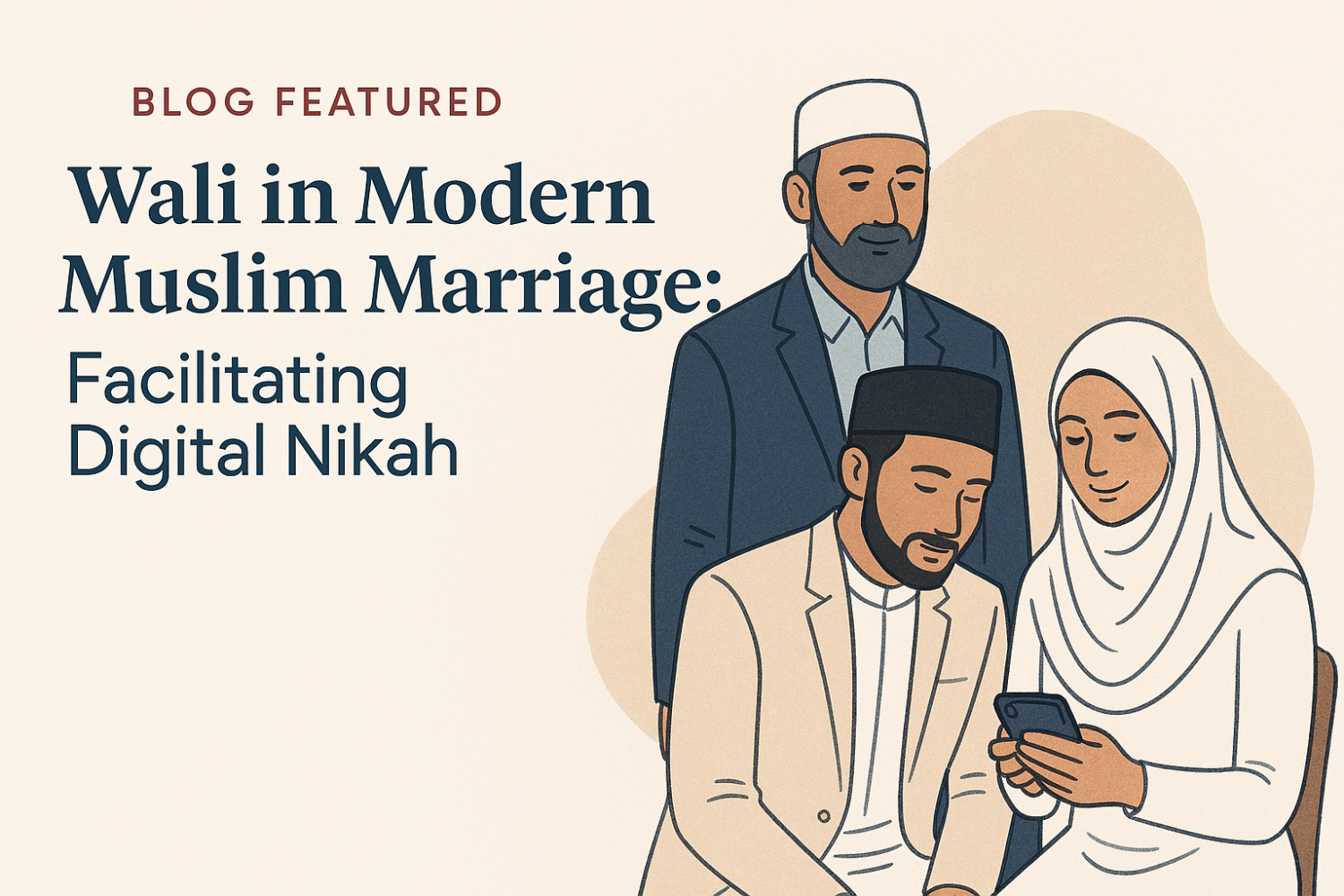
Wali in Modern Muslim Marriage: Facilitating Digital Nikah
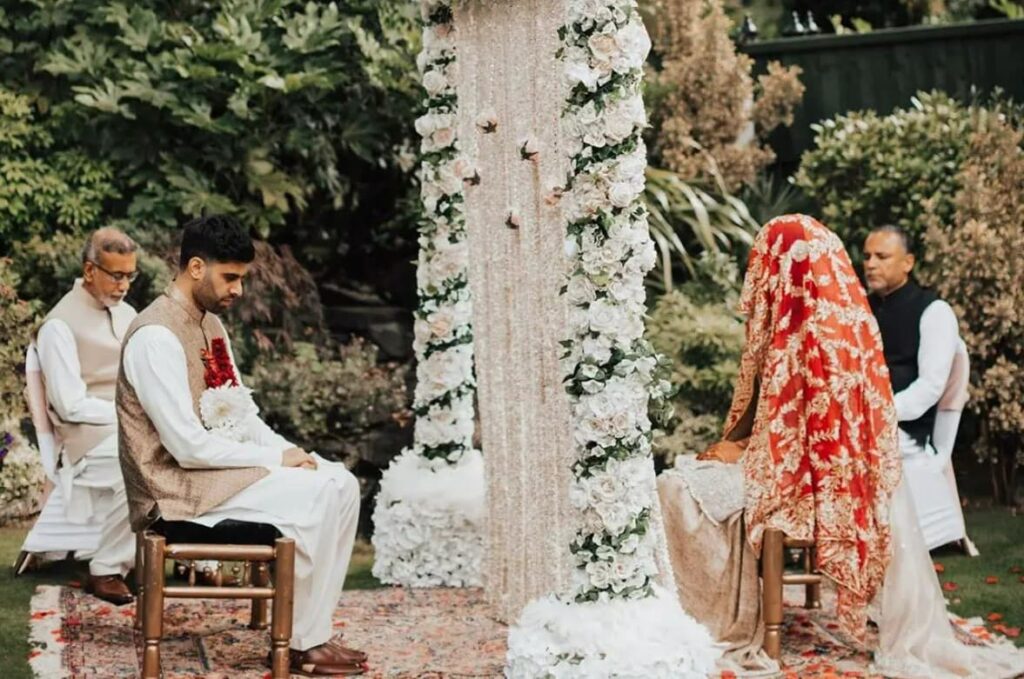
In the rich tapestry of Islamic traditions, marriage, or Nikah, stands as a sacred union that emphasizes mutual consent, family involvement, and spiritual commitment. Central to this process is the Wali, the guardian who traditionally safeguards the bride's interests. Derived from Arabic, "Wali" means protector or ally, and in the context of marriage, it typically refers to a male relative—often the father, brother, or uncle—who oversees the marriage contract. This role is not merely ceremonial; it is rooted in Islamic jurisprudence (Fiqh) to ensure the bride's protection from exploitation and to promote decisions aligned with her well-being.
As society evolves, so too does the landscape of Muslim marriages. The digital revolution has introduced online matchmaking platforms, virtual ceremonies, and global connectivity, allowing Muslims from diverse backgrounds to find compatible partners across borders. Yet, this shift raises questions: How does the Wali's role adapt in a world where proposals happen via apps and Nikah can be conducted over video calls? This article delves into the guardian's enduring significance, exploring its legal, social, and religious dimensions while highlighting how digital tools facilitate Nikah without compromising Islamic principles. In an era where technology bridges distances, the Wali remains a vital anchor, blending tradition with modernity.
The Traditional Role of the Wali in Islamic Marriage
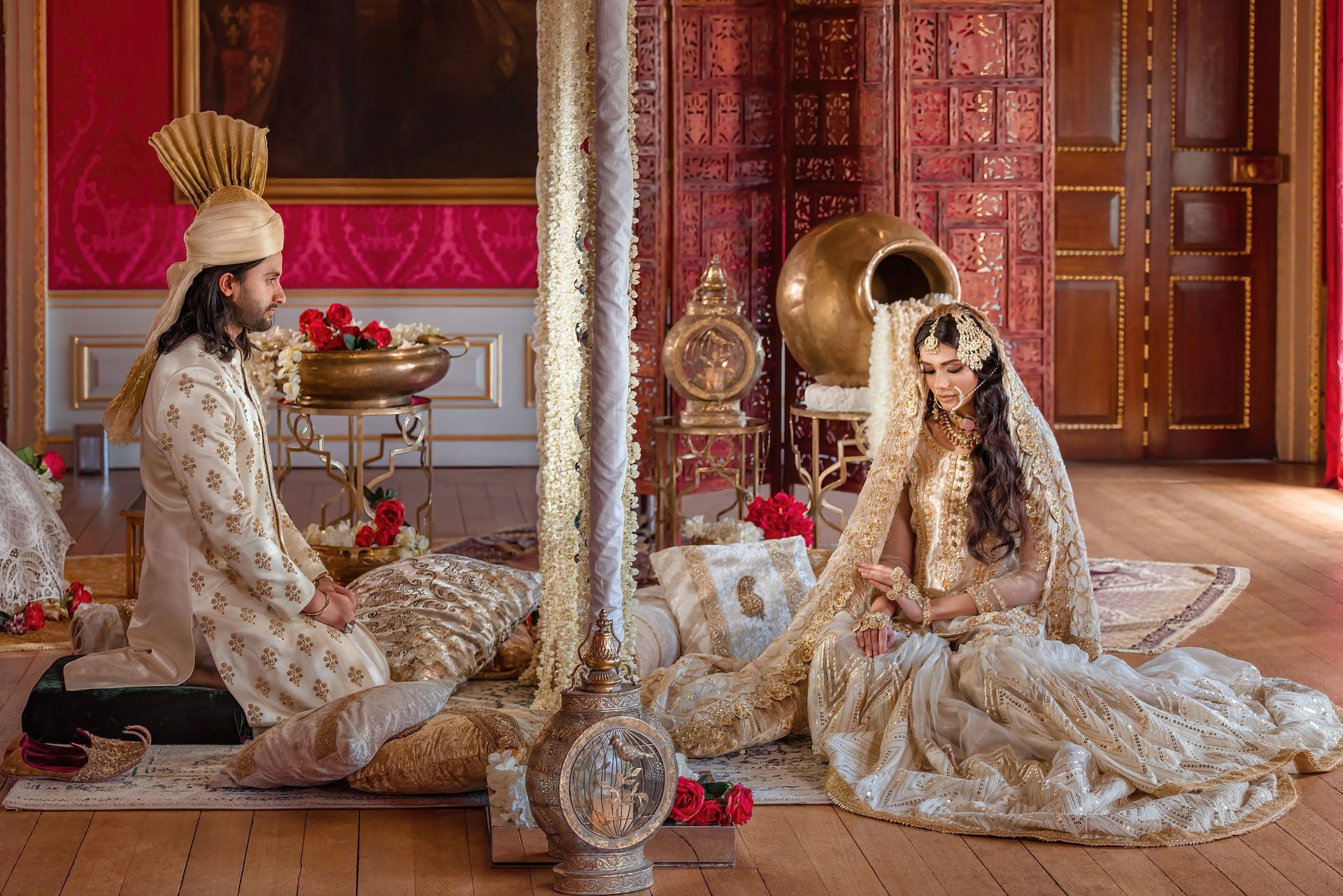
Historically, the Wali's involvement is mandated by Islamic law to validate a marriage. According to the Quran and Hadith, a woman's consent is paramount, but the Wali acts as her representative to negotiate terms, ensure the groom's suitability, and witness the contract. Scholars from the Hanafi, Maliki, Shafi'i, and Hanbali schools of thought largely agree on this, though interpretations vary. For instance, the Hanafi school allows an adult woman to marry without a Wali if she chooses wisely, but most emphasize the guardian's presence to prevent hasty or coerced unions.
The Wali's duties extend beyond consent. They include vetting the prospective groom's character, financial stability, and religious compatibility—a process that protects vulnerable individuals, especially young women. In many cultures, this role fosters family harmony, as the Wali consults with relatives to build consensus. Socially, it reinforces community ties, with the guardian often mediating disputes or advising on marital expectations.
Religiously, the Wali embodies the Prophet Muhammad's (PBUH) teachings on guardianship. A famous Hadith states, "There is no marriage except with a guardian," underscoring its necessity for legitimacy. This framework has endured for centuries, adapting to societal changes while preserving core values. In pre-digital times, marriages were arranged through family networks or community events, with the Wali at the forefront.
However, modernization has challenged this model. Urbanization, migration, and women's increasing education and independence have led to debates on the Wali's authority. Is it guidance or control? Recent scholarly discussions, such as those in L'Osservatore Romano, highlight that Islam prioritizes the bride's right to accept or reject proposals, positioning the Wali as an advisor rather than a dictator. This nuanced view is crucial as we transition to digital facilitation.
Challenges in Modern Muslim Marriages
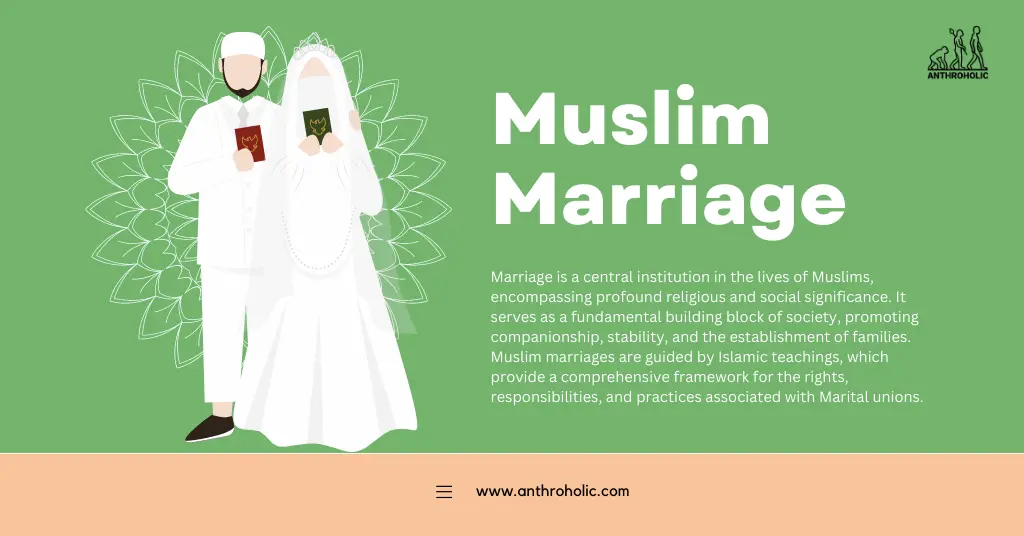
Today's Muslims face unique hurdles in finding spouses. Globalization scatters families, making traditional matchmaking difficult. Women in professional careers may prioritize compatibility over proximity, leading to cross-cultural unions. Additionally, societal pressures—such as delayed marriages due to education or economics—amplify the need for efficient partner searches.
Enter the digital world: Apps like Muzmatch, Minder, and Half Our Deen have revolutionized Muslim matrimony. These platforms use algorithms to match users based on faith, values, and lifestyle, often incorporating features for family involvement. Yet, without proper safeguards, risks abound—catfishing, mismatched expectations, or cultural misunderstandings. Here, the Wali's role becomes even more critical, evolving from a physical overseer to a digital navigator.
Research from sources like the Journal of Islamic Studies indicates that while technology empowers individuals, it can erode traditional protections. For example, a woman might connect with a suitor online without family input, potentially leading to invalid contracts. The Wali counters this by participating in virtual meetings, reviewing profiles, and ensuring transparency. In regions like the UK and Pakistan, legal frameworks recognize online Nikah only if elements like the Wali's consent are met, blending Sharia with civil law.
Facilitating Nikah in the Digital Age
Digital tools have democratized access to marriage, but they must align with Islamic requirements. Online Nikah services, such as those offered by platforms like OnlineNikah.co.uk, enable virtual ceremonies where the Wali, bride, groom, and witnesses connect via secure video. This innovation is particularly beneficial for diaspora communities or during crises like pandemics, where physical gatherings are impossible.
A key aspect is verifying the Wali's presence. Platforms often require video verification and digital signatures to confirm identities, ensuring the guardian's approval is genuine. For instance, in a typical online Nikah, the Wali recites the offer (Ijab) on the bride's behalf, while the groom accepts (Qabul), all witnessed remotely. Islamic scholars validate this if conditions like mutual consent and Mehr (dowry) are fulfilled.
Case studies illustrate success: A couple in the US and Pakistan might use Zoom for Nikah, with the bride's father as Wali from abroad. Services like these provide fatwas (religious opinions) affirming validity, addressing concerns from traditionalists. Moreover, apps integrate Wali features—requiring guardian approval before chats advance—thus modernizing without diluting the role.


Legal and Social Implications
Legally, the Wali's role varies by jurisdiction. In Saudi Arabia, it's strictly enforced, while in Tunisia, reforms allow women greater autonomy. In Western countries, Muslim marriages must comply with civil laws, often requiring court recognition. Digital Nikah adds complexity—ensuring contracts are binding under both Sharia and secular systems.
Socially, the Wali promotes equity. Studies from ResearchGate on Wali Muhakkam (appointed guardians) show how they assist in legalizing marriages, especially for converts or those without male relatives. In digital contexts, this extends to cybersecurity: Walis can advise on privacy, spotting red flags in online interactions.
Empowerment is key. Modern Walis—educated and tech-savvy—guide rather than control, fostering partnerships based on equality. Women's voices in platforms like Zariyaa Matrimony emphasize the Wali as a supporter, aligning with Islamic ideals of justice.
Religious Perspectives and Adaptations
From a religious standpoint, adaptability is inherent in Islam. Scholars argue that as long as core pillars—Ijab, Qabul, witnesses, and Wali—are present, format matters less. Fatwas from bodies like Dar al-Ifta al-Misriyyah endorse online Nikah, provided safeguards exist.
Innovations include AI-driven compatibility checks that Walis review, or blockchain for secure contract storage. These tools enhance transparency, reducing fraud risks.
However, challenges persist: Ensuring digital literacy among older Walis or addressing cultural resistance. Education campaigns by mosques and online forums bridge this gap, promoting informed participation.


Conclusion
The Wali's role in modern Muslim marriages exemplifies Islam's timeless wisdom amid change. In the digital world, it facilitates Nikah by providing protection, guidance, and validation, ensuring unions are not only convenient but also spiritually sound. As technology advances, the guardian evolves— from a family elder to a digital ally—upholding values of consent and community.
For Muslims navigating this landscape, embracing the Wali's involvement fosters stronger marriages. Whether through apps or virtual vows, the essence remains: A union blessed by faith, family, and forward-thinking.